
When Baby Tracking Becomes a Compulsion: Postpartum OCD and App Anxiety
In a recent therapy session, a client paused, looked down at her phone, and said: "Everything has an app now."
We live in this digital age where access to information is immediate. '
There are amazing benefits to technology, but also some hardships. We no longer spend hours flipping through card catalogs at the library or referencing encyclopedias. (It was always a dream of my younger self to own a set of Britannicas). Instead, the answers sit right in our pockets.
When it comes to parenting a newborn, having endless data can spark a quiet, urgent question: Just because we can track everything, do we actually need to?
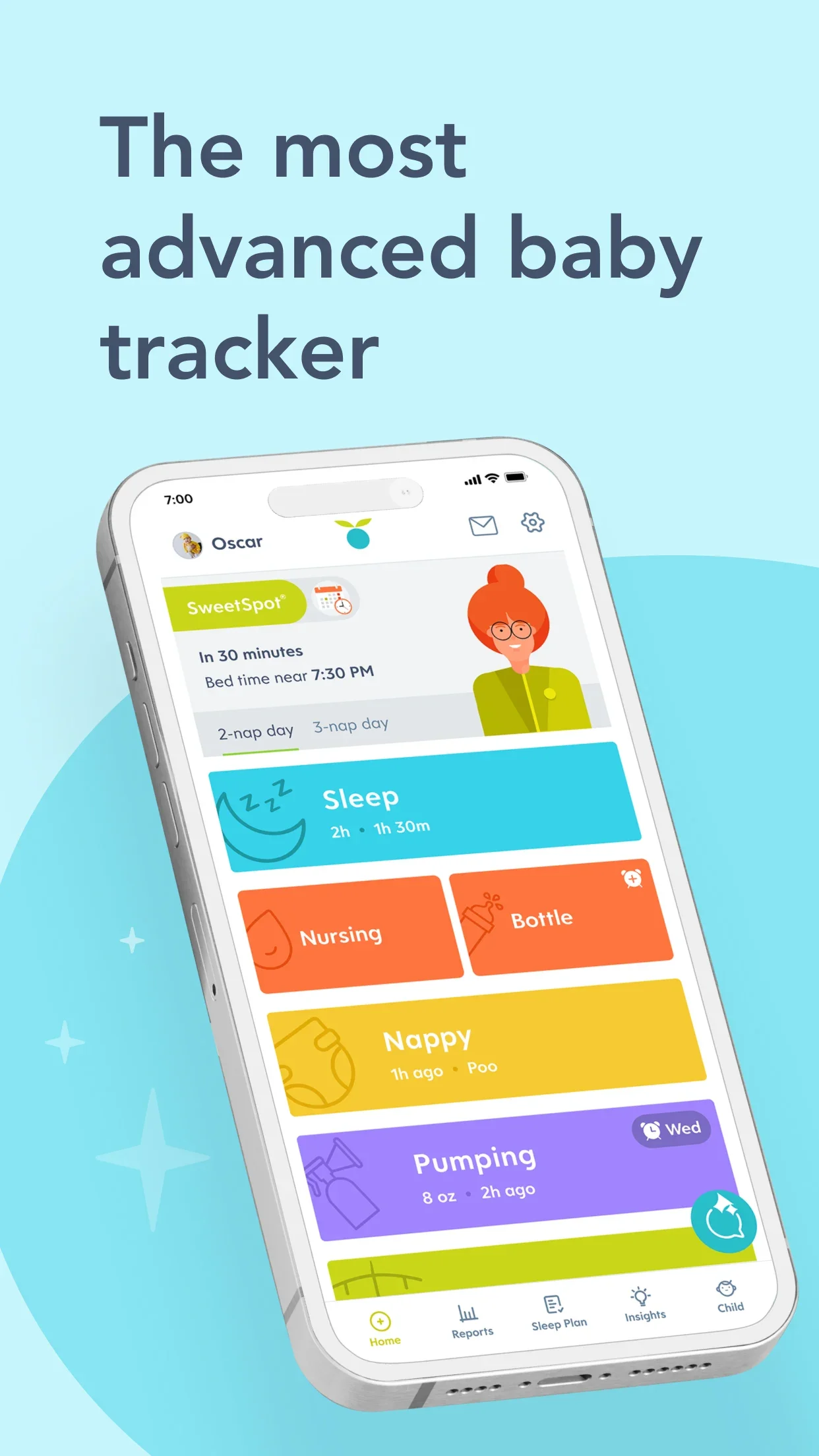
For many new parents, what begins as a helpful routine tool quickly spirals into app-driven anxiety, and in some cases, a hidden trigger for postpartum OCD. I’m finding with many of my clients that it can begin in pregnancy, specifically when creating a baby registry. There are so many cool devices that can genuinely help us care for our babies - Nanit, Snoo, Owlet, etc. And again, do we actually need them?
What Is Baby App Anxiety?
Baby app anxiety is this heightened anxiety or stress, this hyper-vigilance that comes with constantly monitoring, logging, and analyzing newborn behaviors using digital tracking applications.
Popular platforms like the Huckleberry app make it easy to log diaper changes, nursing durations, pumping volumes, and nap schedules. Many apps even use algorithms to predict "sweet spot" nap times. And again, these apps can be great. You and your partner don’t need pass back and forth the same piece of paper, but keep in mind that it can quietly shift from an administrative convenience to an emotional dependency.
Common Signs Your Baby Tracker Is Driving Anxiety
• Frequent, Habitual Checking: Looking at the app repeatedly throughout the day without an intention and immediate reason.
• Urgency and Distress: Feeling a surge of panic or discomfort if a feed, sleep window, or diaper change isn't logged immediately.
• Loss of Presence: Spending so much time analyzing data on your phone that it interferes with being physically present with your child, your partner or with your friends.
• Loss of Intuition: Relying entirely on an app's predictions rather than reading your baby's physical cues (yawns, cues, hunger signals). While it may not feel like it, you are in fact doing a good job and know your little one. It’s also important to remember, relationships take time to build. Just as we didn’t know our friends or our partners right away, it takes time to get to know our baby’s habits. Give yourself some grace as you get to know each other.
• Compounding Tools: Stacking multiple devices and apps, such as tracking in Huckleberry while monitoring the Snoo, checking the Owlet smart sock, then looking over at your physical baby monitor while also scrolling/reading sleep blogs and books simultaneously.
When Does Baby Tracking Become Postpartum OCD?
Baby tracking becomes a symptom of Obsessive-Compulsive Disorder (OCD) when data logging functions as a reassurance-seeking compulsion in response to intrusive, fear-based thoughts.
With postpartum OCD, the compulsive behaviors are an attempt to neutralize a specific fear or intrusive thought, such as:
"What if I miss a signal and my baby stops growing?"
"What if my baby dehydrates because I didn't track every ounce?"
"What kind of parent wouldn't log everything to keep their baby safe?"
“What if I didn’t log a feed, my partner overfeeds the baby, and then she is physically uncomfortable and spits up?”
Logging the feed or checking the sleep graph delivers this brief wave of relief. However, because the underlying anxiety is fear-driven, that relief is temporary. And it will come back stronger.
The urge to check returns, often stronger than before, creating this self-reinforcing cycle. What started at just logging in an app, then has you looking at two apps, then asking your partner for reassurance, and so on.
Intrusive Fear → App Check (Compulsion) → Temporary Relief → Heightened Vigilance
When Should You Stop Using Baby Tracking Apps?
Most healthy, full-term infants do not need strict tracking past the first few weeks of life.
When you leave the hospital, nurses hand you a paper log to track early wet diapers and weight patterns. In my experience both personally and professionally, pediatricians rarely give parents an explicit "off-ramp" telling them when to stop. Unless your pediatrician explicitly asks you to monitor a specific medical concern (such as faltering weight or jaundice), continuous daily tracking is rarely medically necessary.
The Flaw in Rigid Expectations: Babies Are Not Algorithms
Tracking tools foster an expectation of strict mathematical predictability. Yet, human beings (especially infants) are inherently variable.
• Adults do not eat the exact same calorie amount at the exact same hour every day.
• Adults do not fall asleep on the exact same minute or wake up at identical intervals.
Expecting a newborn to conform to an algorithmic schedule pathologizes normal biological variation. We are authentic, imperfect humans! This includes your baby. Scrutinizing minor fluctuations in sleep or feeding can often generates far more questions than answers.
How to Safely Scale Back on Baby Tracking
If you notice that app tracking is raising your heart rate or dictating your emotional state, try these incremental steps to regain balance:
Conduct a "Deliberate Skips" Experiment: Leave one entry unrecorded on purpose (e.g., skip logging a routine diaper or short nap). Observe the discomfort, notice that your baby remains safe, and allow the anxiety wave to pass naturally.
Consolidate Your Tech: Pick one tool and remove the rest. If you use a tracking app, consider pausing smart wearables or extraneous sleep monitors.
Set App-Free Windows: Leave your phone in another room during feeding or contact naps to rebuild real-time connection with your baby. If you are really having a hard time not checking your phone, you can look into the Brick. It’s a device that helps with this and I’ve used it myself.
Shift from Data to Cues: Before opening the app to check if it's "time" for a nap, look directly at your baby. Are they rubbing their eyes, turning away, or yawning? Are their little eyebrows turning red? Practice trusting what you see over what the screen predicts. You are the prefect parent for your child, trust that you are getting to know your baby best.
Delete the App Entirely: If partial tracking continually pulls you back into compulsive checking, try taking a clean break by deleting the app, as hard as it is, it can often be the fastest way to break the cycle.
If tracking anxiety, intrusive fears, or constant vigilance are interfering with your daily life or sleep, consider reaching out to a perinatal mental health specialist trained in postpartum anxiety and OCD.

As a licensed clinical social worker and certified perinatal mental health specialist (LCSW, PMH-C), Dana Levandoski provides evidence-based, compassionate care for mothers navigating postpartum anxiety, and OCD. Grounded in approaches like Exposure and Response Prevention (ERP) and Inference-CBT (I-CBT), Dana helps parents break free from compulsive reassurance cycles and step back into present, grounded connection with their babies.
• In-Person Therapy: Available at her downtown office in Petaluma, CA (serving Sonoma County and the North Bay).
• Virtual Telehealth: Available for mothers and parents located anywhere across California.
You don't have to navigate postpartum OCD alone. Learn more or schedule a free initial consultation at danalevandoski.com.
